 by Jim Habig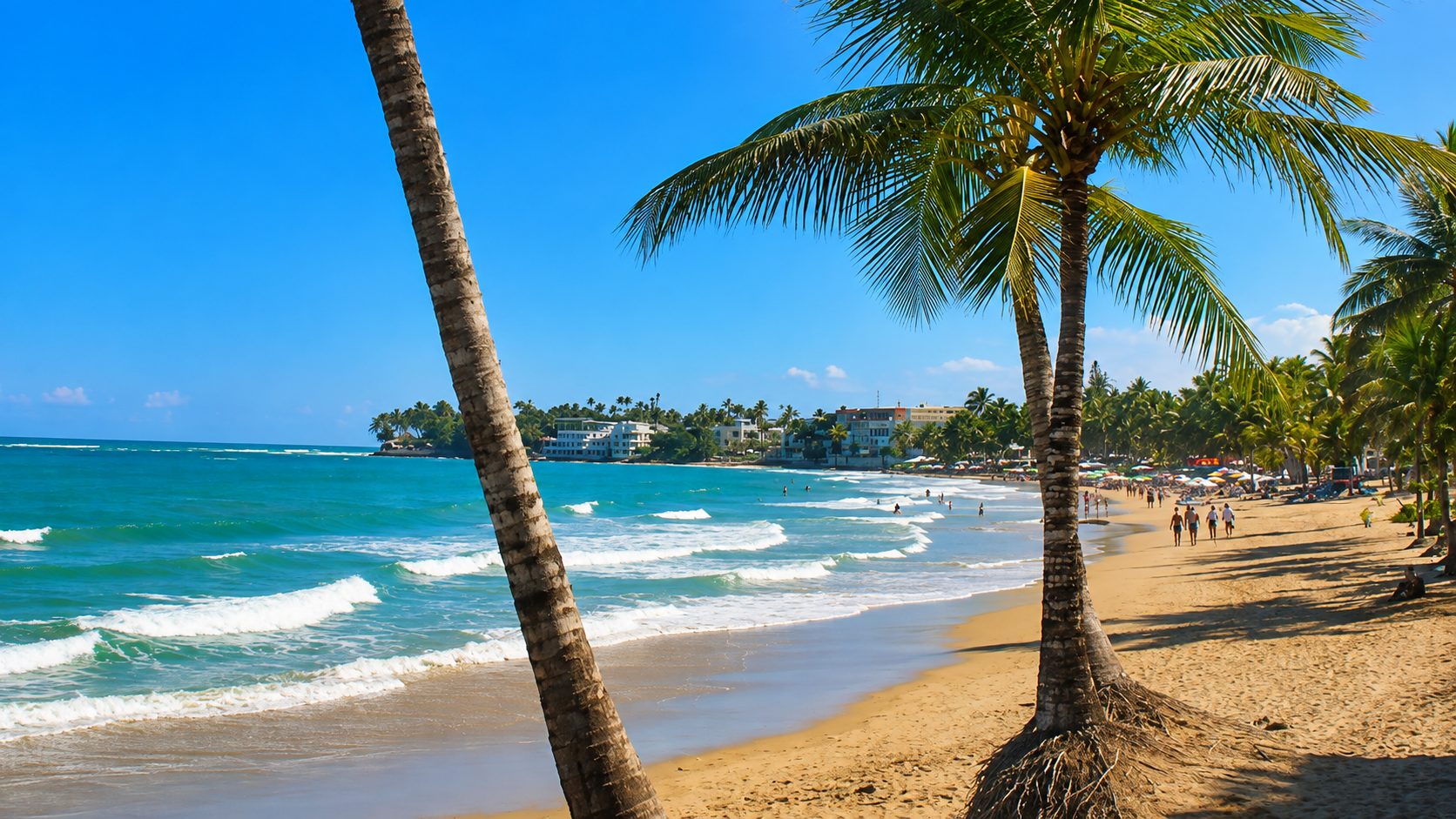
Surf, Sun, and Sales Contracts: Your Keys to Owning Paradise in the DR
So, you’ve spent a week catching waves at Playa Encuentro, and now you’re sitting at a beachfront bar in Cabarete, wondering: “Can I actually live here?”. The short answer is a resounding yes. Unlike some countries that make you jump through flaming hoops to own property, the Dominican Republic welcomes foreigners with open arms—and nearly the same legal rights as locals.
Whether you’re eyeing a cash-flowing machine like the Cash-Flowing Cabarete Hotel with Owner Financing Available or a private villa, here is how you trade your snow shovel for a surfboard.
1. You Have Rights (And You Don’t Need a Visa)
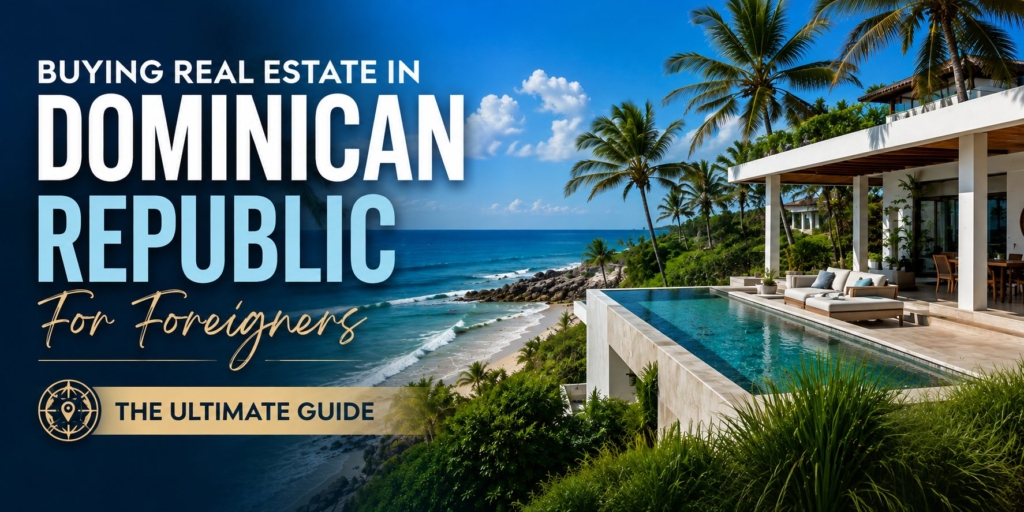
First, the best news: you don’t need to be a resident or a citizen to buy property in the DR. You can buy, sell, and even inherit real estate with the same legal protections as a Dominican national. You can even purchase property through a Dominican corporation if you want to get fancy with tax or liability benefits.
2. The “Handshake” and the Promise
In the North American market, everything is a paper trail from second one. In the DR, it often starts with a verbal agreement on price. Once you’ve shaken hands, your attorney (yes, you must have one) prepares a Promise of Sale (Contrato de Promesa de Venta).
This is a binding document where you’ll usually drop a 10% deposit. This contract is actually more important than the final deed because it lays out all the “what-ifs”—like payment terms, default clauses, and when they actually hand over the keys.
3. Don’t Skip the “Due Diligence” (The Boring but Vital Part)
Before you hand over the rest of your cash, your lawyer needs to play detective. They’ll check for:
- The Deslinde: An official survey that confirms the property boundaries are where the seller says they are.
- The Title Search: Ensuring the person selling it actually owns it and that there aren’t any surprise mortgages or “ghost” liens attached to it.
- No-Debt Certificates: Verifying that the seller is current on their property taxes and utility bills.
4. Sealing the Deal: The Deed of Sale
Once the detective work is done, you sign the Final Sales Contract (Contrato de Venta) in front of a Notary Public (who, in the DR, is also a lawyer). Congratulations! You now own a slice of the Caribbean.
5. Paying the “Sunshine Tax” (and Other Fees)
Buying property isn’t free of course. Here’s what you should budget for:
- Transfer Tax: A one-time 3% tax of the government-appraised value to get the title in your name.
- Legal Fees: Usually 1% to 1.5% of the purchase price.
- Annual Property Tax (IPI): A 1% annual tax, but only on the value that exceeds approximately $150,000 (adjusted for inflation).
Cash-Flowing Cabarete Hotel with Owner Financing Available
If you want to skip the “building from scratch” headache, look at existing opportunities like Cash Flowing Cabarate Hotel. Built in 2018, this 15-unit hotel is already a cash-flow positive operation netting over $60,000 annually.
It’s a turnkey investment with solar panels that sell power back to the grid and—here is the kicker for foreigners—owner financing is available. This can be a huge advantage if you’re finding local bank mortgages (which often require 30-40% down) a bit stiff.
The Bottom Line
The Dominican Republic is one of the most straightforward places for a foreigner to invest. With the right lawyer, a solid property like the Kite House, and a passion for the ocean, you can turn that “vacation vibe” into a permanent reality.
Ready to start your search? Check out our latest listings at International Surf Properties.